Research first
We summarize major sleep references in plain English instead of copying jargon-heavy source material.
Evidence-based articles to help you understand the science of sleep and build better habits. Every guide is grounded in published research from the NIH, CDC, AASM, and the National Sleep Foundation, with sources linked inline.
Eight hours in bed and still exhausted? Our longest guide breaks down the five mechanisms behind unrefreshing sleep — sleep pressure, circadian misalignment, fragmentation, caffeine, and accumulated debt — plus a week-long diagnostic to isolate yours.
Read the guideMost people use a sleep calculator and then have follow-up questions: Why do cycles matter? Does caffeine really linger that long? Which habits actually move the needle? These guides answer those questions with practical, original explanations tied directly to real sleep problems.
We summarize major sleep references in plain English instead of copying jargon-heavy source material.
Each page is written to help you do something useful tonight, not just skim facts about sleep.
We revisit pages when evidence changes, fix unclear claims, and connect readers to our editorial policy and contact page.
A one-page weekly log for bedtime, wake time, total hours, wake-ups, rest rating, and notes — plus a weekly review section to spot patterns. Designed to pair with our calculator.
Download PDF (free, no email)
Lying awake for an hour every night? The three systems behind slow sleep onset — sleep pressure, circadian timing, and hyperarousal — plus a 14-day behavioural plan drawn from CBT-I.
Eight hours in bed and still exhausted? The five mechanisms behind unrefreshing sleep — sleep pressure, circadian misalignment, fragmentation, caffeine, and accumulated debt — plus a week-long diagnostic to isolate yours.
Understand the four stages of sleep, why 90-minute cycles matter, and how to use them to wake up feeling refreshed every morning.
Discover how your chronotype, circadian rhythm, and light exposure determine your optimal wake-up time — and how to find yours.

The neuroscience behind ambient sounds: how consistent auditory input masks disruptions and promotes deeper sleep stages.
15 evidence-based habits from temperature and light control to caffeine timing that transform your sleep quality.
From newborns to seniors, sleep needs change dramatically. See the latest research-backed recommendations for every age group.

Learn three clinically-studied breathing methods that activate your parasympathetic nervous system and reduce sleep onset time.
Learn the ideal nap duration, the coffee nap technique, and why 20 minutes beats 45 every time — backed by NASA research and real-world testing.
Blue light is only part of the problem. Discover why interactive content is the real sleep killer and practical strategies that actually stick.
Understand caffeine's 5-6 hour half-life, the CYP1A2 gene, hidden caffeine sources, and the optimal cutoff time to protect your deep sleep.
How exercise improves sleep as effectively as medication, the best workout types and timing, and why late-night intensity backfires.
Temperature, darkness, noise, air quality — a complete evidence-based guide to building the ideal sleep environment from someone who learned the hard way.
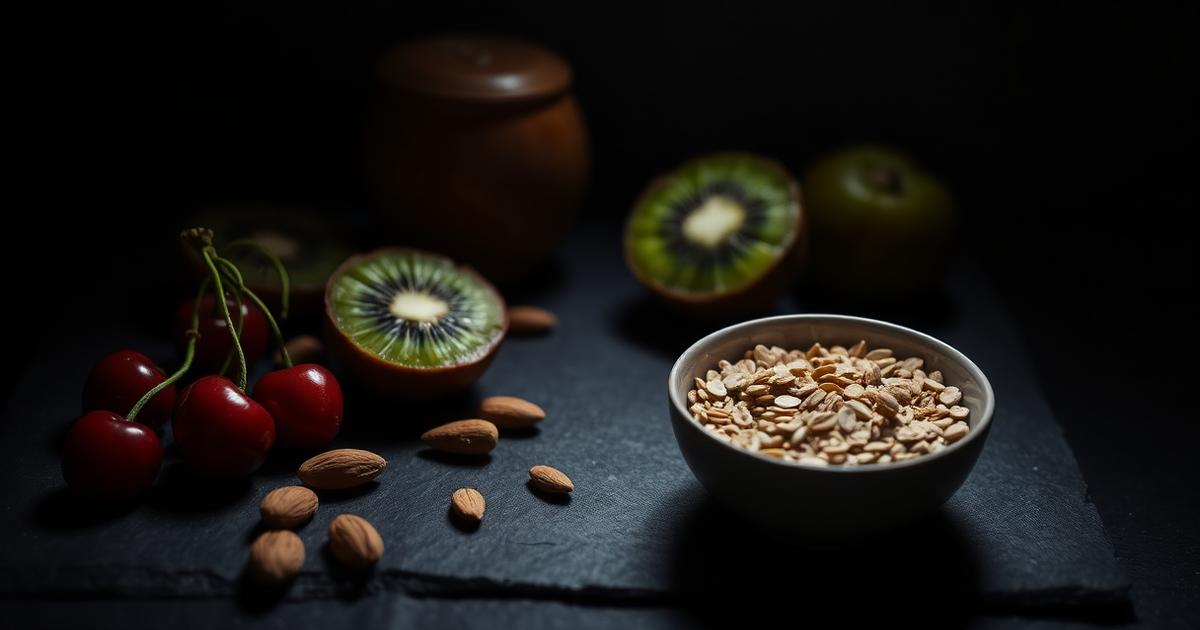
From tryptophan and tart cherry juice to the truth about alcohol — how what and when you eat directly impacts your sleep architecture.
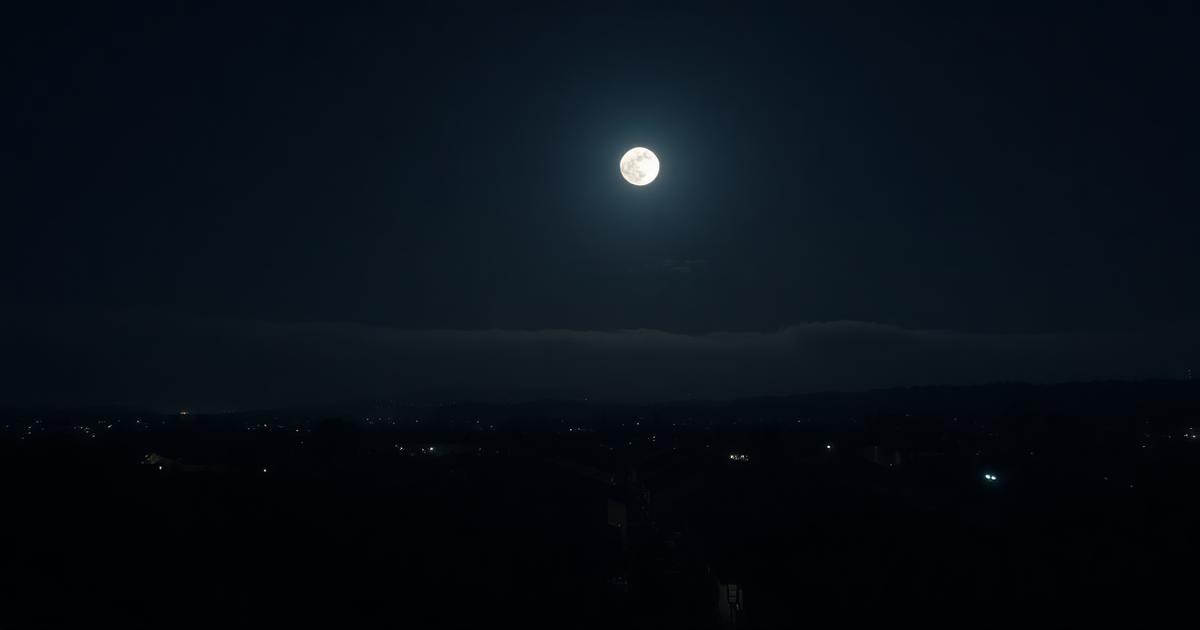
Explore the 8 lunar phases and how each one influences your sleep quality. Research-backed insights on moonlight, melatonin, and the 29.5-day cycle.
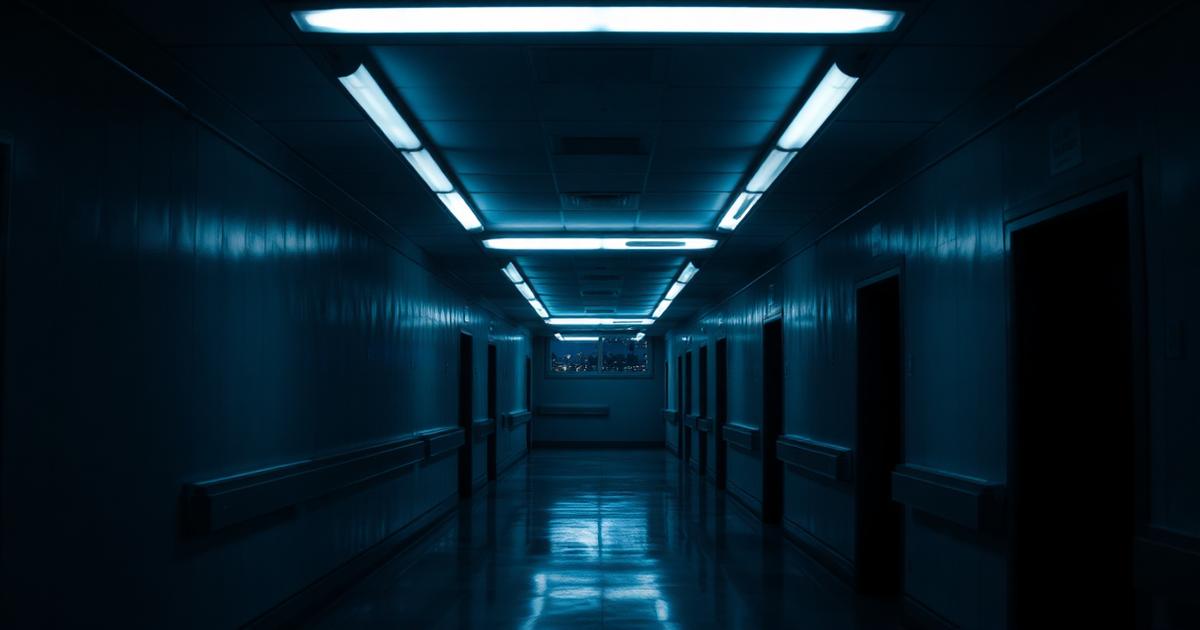
Evidence-based sleep strategies for nurses, factory workers, and anyone on non-traditional hours. Covers light management, strategic napping, and circadian adaptation.
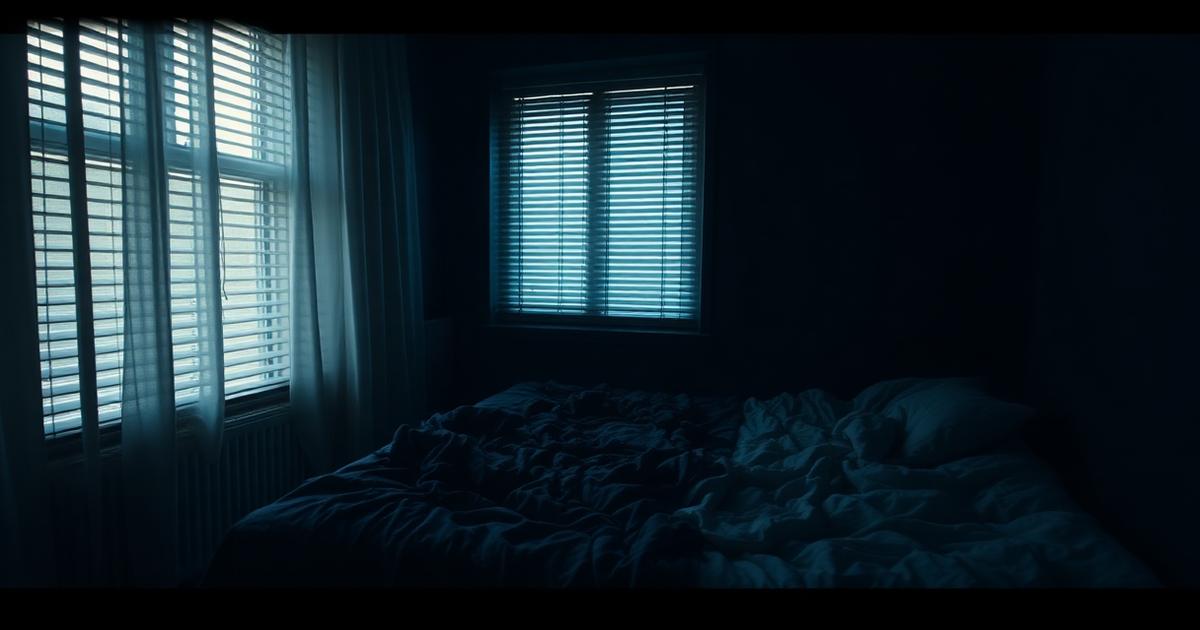
A research-backed 14-day plan to clear accumulated sleep debt — including why weekend catch-up only partly works and the mistakes that make it worse.
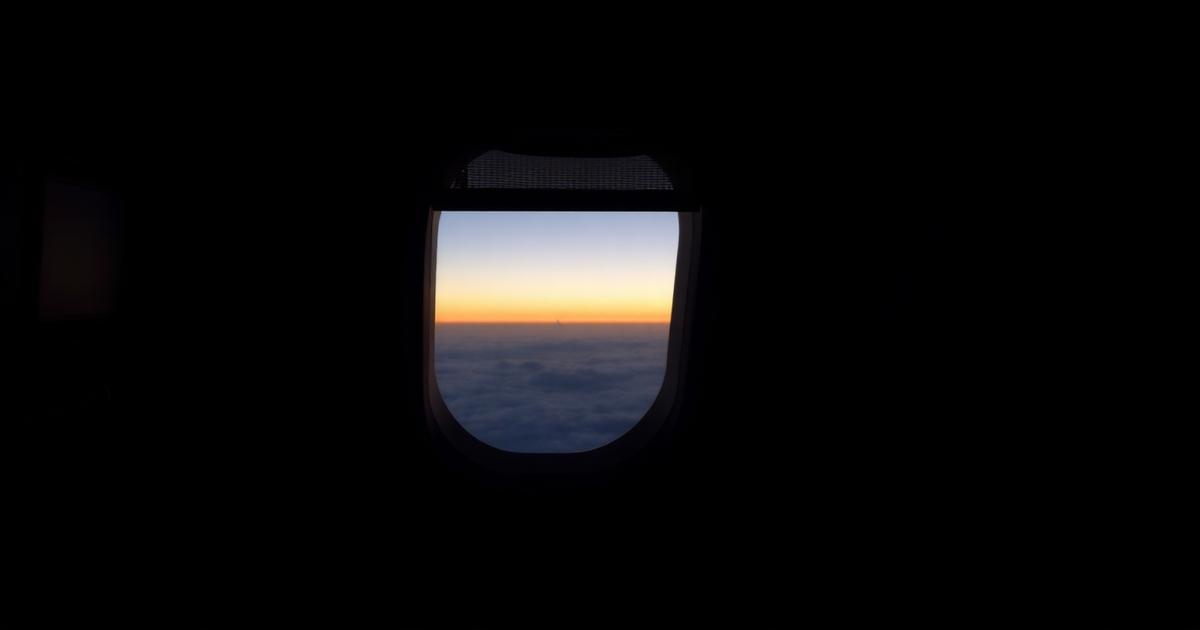
Step-by-step recovery for eastbound and westbound flights — pre-trip shifting, in-flight rules, light timing, and low-dose melatonin protocols.
How REM regulates emotion, why insomnia often precedes depression, and the evidence-based habits (and one therapy) that improve both.
Why 10 minutes of outdoor light after waking outperforms almost every bedtime habit — the circadian science and a routine that actually sticks.
Alcohol shortens sleep onset but suppresses REM, fragments deep sleep, and elevates heart rate all night. The dose, the timing rule, and what actually helps.
What is normal after 40, 50, and 60 — and which changes are actually red flags. Evidence-based advice that respects your biology instead of fighting it.
If you only have a few minutes before opening a specific guide, this is the shortest honest summary of the science the rest of this library is built on.
A typical adult sleeps in 90-minute cycles, each one moving from light sleep (stages N1 and N2) into deep sleep (N3) and finally into REM sleep, where most vivid dreaming happens. You'll usually run through four to six of these cycles per night. Early cycles are dominated by deep sleep — the stage most responsible for physical recovery, immune function, and the slow brain waves linked to memory consolidation. Later cycles get progressively richer in REM, which is when the brain processes emotions, integrates new learning, and consolidates procedural skills.
Two systems decide when you feel sleepy. The first, sleep pressure, builds up from a chemical called adenosine the longer you stay awake. The second, your circadian rhythm, is a roughly 24-hour internal clock anchored mainly by morning light exposure and, to a smaller degree, by meal timing and physical activity. When those two systems are aligned — high sleep pressure arriving at the low point of your circadian curve — falling asleep is effortless. When they're misaligned, even eight hours in bed can feel like a fight.
That's why the "how much sleep do I need?" question is almost always the wrong starting point. Better questions are: am I waking up at the end of a cycle or in the middle of one? Is my circadian rhythm getting a clear morning-light signal? Am I doing anything in the four hours before bed — caffeine, heavy meals, screens, alcohol — that's quietly degrading the deep-sleep portion of my first two cycles? Most of the guides below answer one of those questions in depth.
How often are these guides updated?
We review each guide at least once a year and update them sooner whenever a primary source we cite (NIH, CDC, AASM, National Sleep Foundation) issues new guidance. Each guide shows both a publish date and a last-updated date.
Are these articles written by AI?
No. Drafts, outlines, and grammar checks may use AI assistance, but every factual claim is verified by a human author against the cited source before publication. See the full editorial policy.
Why no medical author bylines?
NappyTi.me is an independent, single-author site. We don't list fake "medically reviewed by" credentials we can't verify. Instead, every health claim is linked directly to the public primary source it comes from so readers can audit it themselves.
Which guide should I read first?
If you're new to sleep optimization, start with How Sleep Cycles Work, then move on to the Sleep Hygiene Checklist. Together they cover roughly 80% of the practical advice in this library.