
Written & reviewed by Cory B., founder of NappyTi.me
Researched and fact-checked against peer-reviewed sleep studies, government health agencies (NIH, CDC), and established medical references (AASM, Sleep Foundation). Educational content — not a substitute for professional medical advice. See our editorial policy and methodology.
The Ultimate Sleep Hygiene Checklist
This guide is written for educational purposes using published sleep research and major medical references where possible. It is not medical advice. Review our editorial standards.
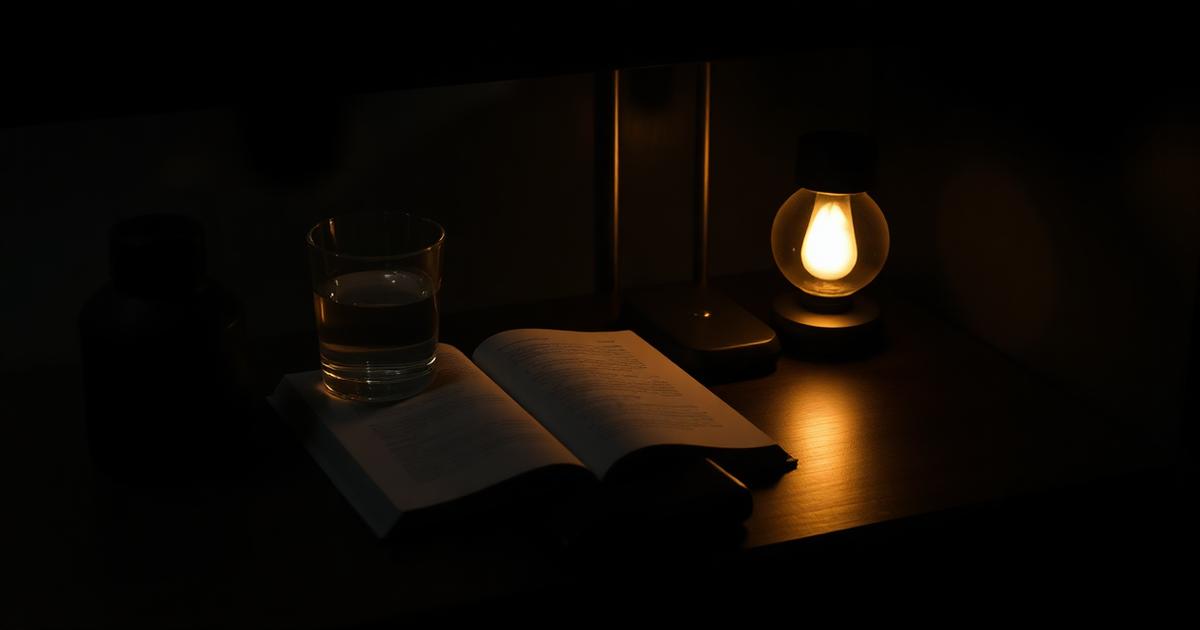
Sleep hygiene refers to the habits, behaviors, and environmental factors that influence your sleep quality. Unlike sleep disorders that require medical treatment, poor sleep hygiene is something you can fix yourself — and the results can be dramatic. Research from Harvard Medical School shows that improving sleep hygiene alone can resolve mild to moderate insomnia in 70-80% of cases.
This checklist distills the most impactful, evidence-based sleep hygiene practices into actionable steps. Start with the ones that address your biggest weaknesses and build from there.
Your Bedroom Environment
1. Temperature: 65-68°F (18-20°C)
Your core body temperature needs to drop by about 2-3°F to initiate sleep. A cool bedroom facilitates this natural thermoregulation. Research from the University of South Australia found that the thermal environment is one of the most important factors in achieving and maintaining sleep. If you tend to sleep hot, consider breathable bedding materials like cotton or bamboo, and keep a foot uncovered — feet are highly vascularized and excellent at radiating excess heat.
2. Darkness: Complete Blackout
Even small amounts of light (from a charging LED, a streetlight through curtains, or a digital clock) can suppress melatonin production by up to 50%. A study in PNAS found that sleeping with even dim light (30 lux — equivalent to a distant streetlight) increased heart rate, decreased heart rate variability, and elevated morning insulin resistance. Invest in blackout curtains or a quality sleep mask. Cover or turn off all light-emitting devices.
3. Noise Control
If your environment is noisy, use consistent ambient sounds like white noise or rain rather than earplugs, which can cause discomfort with nightly use. If you live on a busy street, a white noise machine near the window can mask traffic sounds remarkably well. NappyTi.me's built-in ambient sounds are designed specifically for this purpose.
4. Reserve Your Bed for Sleep
Your brain forms strong associations between spaces and activities. Working, scrolling social media, or watching TV in bed weakens the bed-sleep association. Over time, simply lying in bed becomes a cue for wakefulness rather than sleep. This principle, called stimulus control, is the single most effective behavioral technique for insomnia, according to the American Academy of Sleep Medicine.
Daytime Habits
5. Morning Light Exposure
Get 10-30 minutes of bright light exposure within an hour of waking. This is the single most powerful zeitgeber (time-giver) for your circadian rhythm. Outdoor light, even on cloudy days (10,000+ lux), is far more effective than indoor lighting (typically 100-500 lux). Morning light exposure advances your circadian clock, making it easier to fall asleep that evening and wake up the next morning.
6. Exercise Timing
Regular exercise improves sleep quality in virtually every study that examines it. However, timing matters: vigorous exercise within 2-3 hours of bedtime can elevate core body temperature, heart rate, and adrenaline, making it harder to fall asleep. Morning or afternoon exercise is ideal. If evening is your only option, opt for low-intensity activities like yoga or walking, which can actually promote sleep onset.
7. Caffeine Cutoff
Caffeine has a half-life of 5-7 hours, meaning half the caffeine from your 3 PM coffee is still in your system at 8-10 PM. A study in the Journal of Clinical Sleep Medicine found that caffeine consumed even 6 hours before bed reduced total sleep time by over an hour and significantly decreased deep sleep. For most people, a noon or 1 PM caffeine cutoff is safest. Be aware that chocolate, some teas, and certain medications also contain caffeine.
8. Nap Smart
Naps longer than 30 minutes or taken after 3 PM can interfere with nighttime sleep drive. If you need a nap, limit it to 20-25 minutes (a "power nap" that stays in light N1/N2 sleep) and take it before 2 PM. Research from NASA found that a 26-minute nap improved pilot performance by 34% and alertness by 54% — proving that short naps are remarkably effective.
Evening Routine
9. Blue Light Reduction
Blue-spectrum light (emitted by phones, tablets, computers, and LED bulbs) suppresses melatonin production more than any other wavelength. A Harvard study found that blue light shifts circadian rhythms by twice as much as green light of comparable brightness. Start dimming screens 2 hours before bed, use night mode/warm color filters, or wear blue-light blocking glasses. Better yet, switch to non-screen activities during your wind-down period.
10. Consistent Bedtime
Going to bed at the same time every night — including weekends — is one of the most impactful sleep hygiene practices. Your body's sleep drive builds throughout the day, and a consistent schedule ensures that this drive peaks at the right time. Varying your bedtime by even an hour creates "social jet lag" that research links to metabolic dysfunction, weight gain, and mood disturbances.
11. Create a Wind-Down Ritual
A 30-60 minute pre-sleep routine signals your brain that sleep is approaching. Effective elements include dimming lights, taking a warm bath or shower (the subsequent cooling mimics the natural temperature drop before sleep), reading a physical book, gentle stretching, or practicing the 4-7-8 breathing technique. NappyTi.me includes a wind-down mode that dims the interface and launches guided breathing exercises.
12. Avoid Alcohol Before Bed
While alcohol may help you fall asleep faster, it severely disrupts sleep architecture. Alcohol suppresses REM sleep in the first half of the night and causes fragmented, shallow sleep in the second half as your body metabolizes it. Even moderate drinking (2-3 drinks) reduces restorative sleep quality by up to 39%, according to research from the Finnish Institute of Occupational Health.
13. Don't Eat Heavy Meals Late
Eating a large meal within 2-3 hours of bedtime forces your digestive system to work when your body wants to rest. This can cause acid reflux (which worsens when lying down) and elevated core body temperature. If you're hungry before bed, opt for a small snack rich in tryptophan and complex carbs — like a banana with almond butter or a small bowl of oatmeal — which can actually promote serotonin and melatonin production.
If You Can't Sleep
14. The 20-Minute Rule
If you've been lying in bed unable to sleep for 20 minutes, get up. Go to another room, do something calm and non-stimulating (read, listen to soft music, do a puzzle) under dim lighting, and return to bed only when you feel drowsy. This counterintuitive technique prevents your brain from associating bed with the frustration of insomnia.
15. Don't Watch the Clock
Clock-watching creates anxiety ("If I fall asleep now, I'll only get 5 hours…") which activates your sympathetic nervous system and makes sleep even harder to achieve. Turn your clock away from view and put your phone face-down. Trust that your alarm will wake you, and focus on relaxation rather than sleep itself.
Putting It All Together
You don't need to implement all 15 practices at once. Start with the 3-4 that address your biggest issues (for most people: consistent bedtime, caffeine cutoff, screen reduction, and cool/dark bedroom). Build habits gradually, and give each change at least two weeks before evaluating its impact. Sleep hygiene is cumulative — each improvement builds on the last.