
Written & reviewed by Cory B., founder of NappyTi.me
Researched and fact-checked against peer-reviewed sleep studies, government health agencies (NIH, CDC), and established medical references (AASM, Sleep Foundation). Educational content — not a substitute for professional medical advice. See our editorial policy and methodology.
Alcohol and Sleep: Why the Nightcap Backfires
This guide is written for educational purposes using published sleep research and major medical references where possible. It is not medical advice. Review our editorial standards.
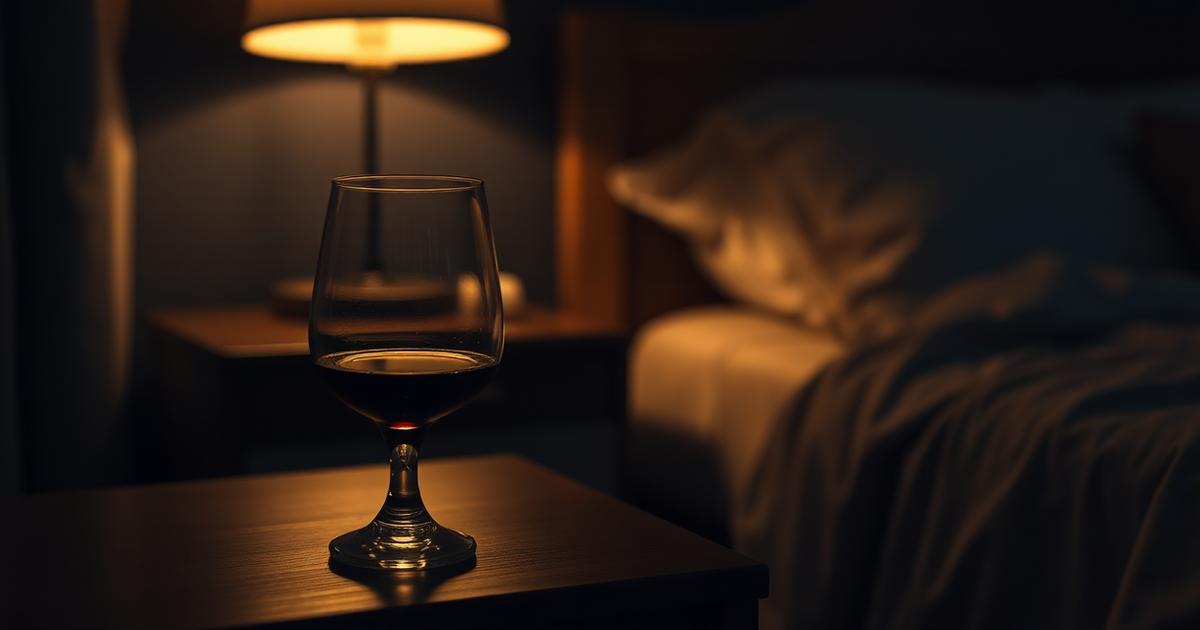
Alcohol is the most common self-prescribed sleep aid in the world, and one of the most misunderstood. Yes, it shortens the time it takes to fall asleep. And yes, it also systematically destroys the second half of the night in a way that leaves you tired even after eight hours in bed. Once you understand the mechanism, the pattern becomes obvious — and predictable enough to plan around.
What alcohol actually does to sleep architecture
Alcohol is a central-nervous-system depressant that acts on GABA receptors. In the first few hours, it deepens slow-wave (N3) sleep and cuts sleep onset latency — the reason itfeels like a sleep aid. Then, as your liver metabolizes it (roughly one standard drink per hour), a rebound effect kicks in:
- REM suppression. The first REM period is delayed or skipped entirely. REM is when the brain processes emotional memories; skipping it is linked to worse mood the next day and, over time, worse emotional regulation.
- REM rebound in the second half. Your brain "makes up" for the missed REM in dense bursts, often producing the vivid, unsettling dreams and 3 AM awakenings drinkers know well.
- Fragmented deep sleep. The N3 boost in hour one is undone by hour four. Overall N3 across the whole night is usually reduced.
- Elevated heart rate. Studies using continuous heart-rate monitoring show resting HR stays 5–15 bpm above baseline for the entire night, even at modest doses. Your body is working through sleep, not resting.
- Worsened breathing. Alcohol relaxes the airway muscles, worsening snoring and turning mild sleep apnea into moderate sleep apnea for one night.
Dose and timing — the numbers that matter
Sleep effects scale with dose, and they scale with proximity to bedtime.
- Low dose (1 drink, 3+ hours before bed): most people show mild REM suppression only. Usually undetectable subjectively.
- Moderate dose (2 drinks, within 3 hours of bed): reliable REM suppression, first-half deepening, second-half fragmentation. This is the classic "wake up at 3 AM" pattern.
- High dose (3+ drinks, close to bed): severe REM disruption, heavy fragmentation, dehydration awakenings, and next-day sleep inertia that no amount of coffee fully fixes.
The practical rule most sleep clinicians converge on: no alcohol within three hours of bedtime, cap intake at one or two standard drinks, and pair every drink with a full glass of water. It doesn't make alcohol neutral to sleep — nothing does — but it moves you from the "wrecked" bucket into the "mildly impaired" bucket.
Why the "helps me fall asleep" feeling is a trap
Alcohol dependency and insomnia are closely linked, and the loop is almost always the same: alcohol makes falling asleep easy, so it feels like the solution. Sleep quality degrades, so tomorrow you're more tired. More tired means more anxiety about not sleeping, which means more reliance on alcohol tonight. Tolerance builds. Sleep gets worse. The nightcap you're using to escape insomnia is actively causing it.
What actually helps if you drink
- Front-load. A glass of wine with dinner at 6 PM is a different animal from a glass at 10 PM. Same drink, radically different sleep.
- Hydrate aggressively. Alcohol is a diuretic. Match every drink with water and a large glass of water before bed. Dehydration alone accounts for a chunk of the "hangover" you feel.
- Skip the salty snack. Sodium plus alcohol worsens night-waking. Choose lighter, water-rich food.
- Give the body its recovery window. The night after drinking, protect the basics: cool room (~65°F), morning light the next day, no compounding caffeine late.
- Two nights, not one. Sleep architecture rebounds over 24–48 hours. If you drank Saturday, Sunday night will still be slightly off. Plan Monday accordingly.
Alcohol vs. actual sleep aids
If you're using alcohol to fall asleep, the honest replacement is not another substance — it's the boring stack of behaviors covered in our sleep hygiene checklist: a consistent wake time, morning light exposure, screen limits before bed, and a proper wind-down routine. If insomnia has been running longer than three or four weeks, ask a clinician about CBT-I (Cognitive Behavioral Therapy for Insomnia), which the AASM recommends as first-line treatment. It works, it's non-drug, and it doesn't come with a 3 AM cost.
The bottom line
Alcohol trades sleep quality for sleep speed, and the trade is almost never worth it. If drinking is part of your life, timing and dose are your two levers — and they matter more than most people realize. If your sleep debt is stubborn despite doing "everything right," the two-drink habit is often the missing variable.